A fast-moving series A startup, Pulley is the modern solution for faster, more reliable construction permitting.
Pulley had a great product, a strong sales team, impressive outcomes, but no content to show any of it externally. I joined as the first content marketer and built a proof engine from scratch: customer stories that traveled into sales conversations, an executive voice that ICPs engaged with, and a stronger presence through organic search and social. I came in with a blank slate and left with a program that gained real momentum.
Jump to: Thought leadership podcast | Executive content | SEO | Case studies | Employee advocacy
Turning Customers into Thought Leaders | Podcast
Skills: Content strategy, thought leadership, customer marketing, podcast, social media, content repurposing
Permission to Build is Pulley’s flagship podcast series. Over the year, I transitioned the podcast strategy away from interviewing city reviewers who explained the nuances of permitting to surfacing buyer pains by interviewing Pulley’s own customers.
The result: A new strategic direction for Pulley’s flagship podcast series, one designed to reach ICPs organically and fuel future demand gen campaigns.
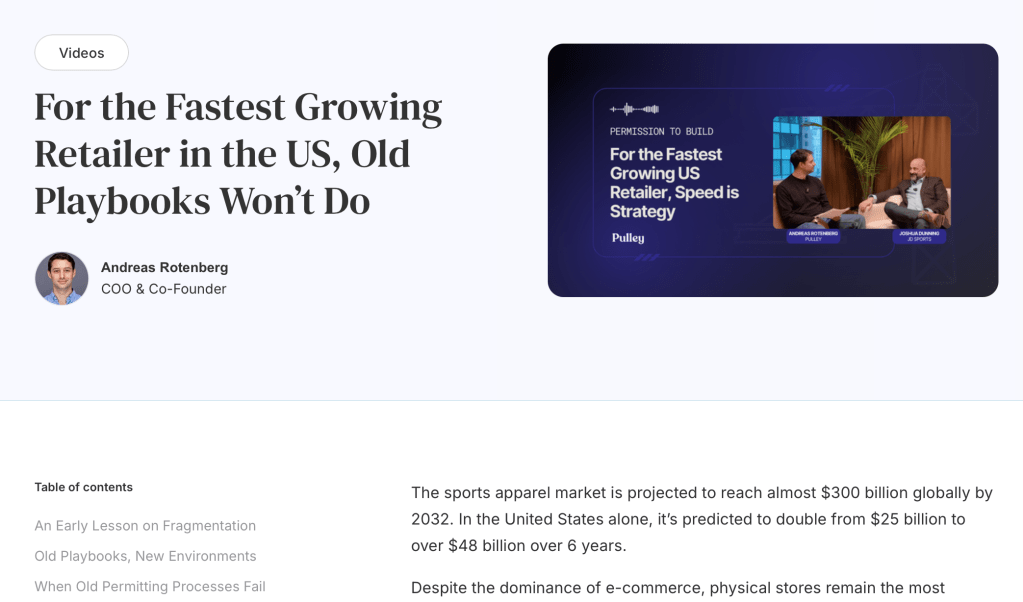
Fuel for demand generation
Permission to Build content served multiple purposes: they fueled organic executive thought leadership content and served as top-of-funnel demand generation ads. Anyone who interacted with executive content would be retargeted with middle-of-funnel posts from our company page.
Authentic customer advocacy
By interviewing our customers, I created a way to extract customer quotes, identify early champions, and build stronger relationships naturally. By positioning Pulley’s own customers as thought leaders, Pulley’s quality was brought up organically, creating more authentic customer quotes and clips.
Building a Credible Voice on Permitting | Executive LinkedIn
Skills: Executive ghostwriting, content strategy, LinkedIn, audience growth, paid amplification
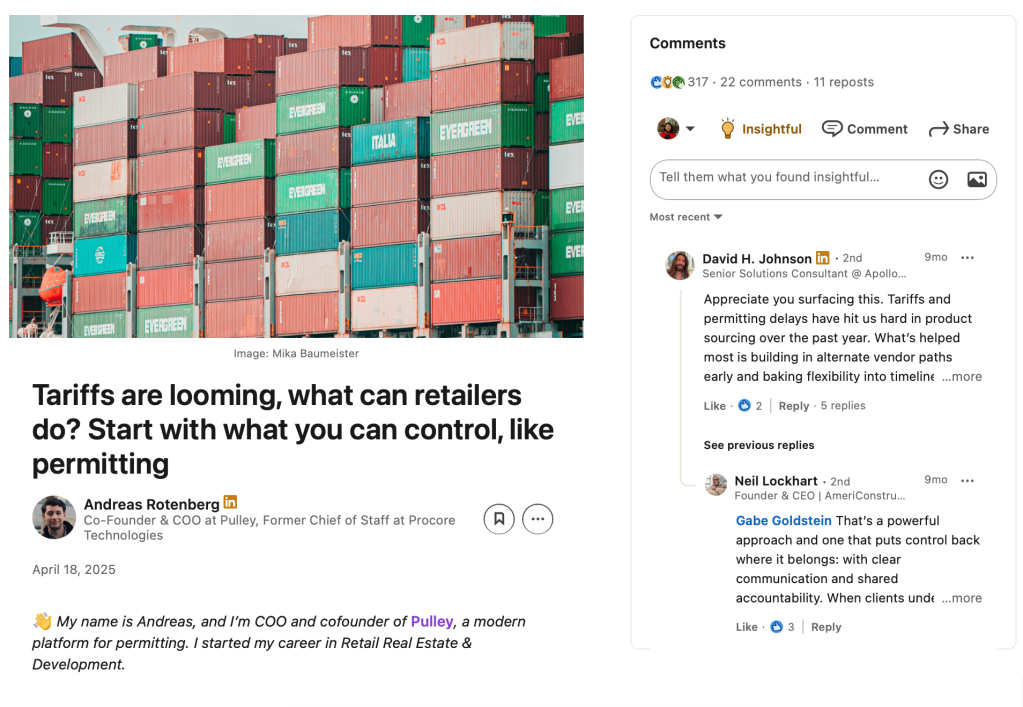
As the COO, cofounder, and someone with extensive background in permitting and real estate, Andreas was a natural fit to be the face of Pulley. I created and tested a playbook to regularly source new material for executive content. We published 2-3 posts and articles weekly, generating real engagement from ICPs and established his credibility as an expert on permitting as a competitive business for commercial businesses.
The result: One timely article on tariffs performed exceptionally well as a paid ad, growing his audience 20% in a matter of months.
Building Long-Term Inbound Motion | SEO
Skills: Keyword research, SEO strategy, content writing, editorial planning, performance tracking
Construction permitting is niche with limited search volume, which makes SEO a long-term lever rather than an immediate one. I still built the foundations for SEO and GEO intentionally so that we could expand our surface area for inbound demo requests and watch it compound over time.
The result: New blogs began ranking for keywords and we grew the number of top ranking keywords by 9x (from only 78 to 721).
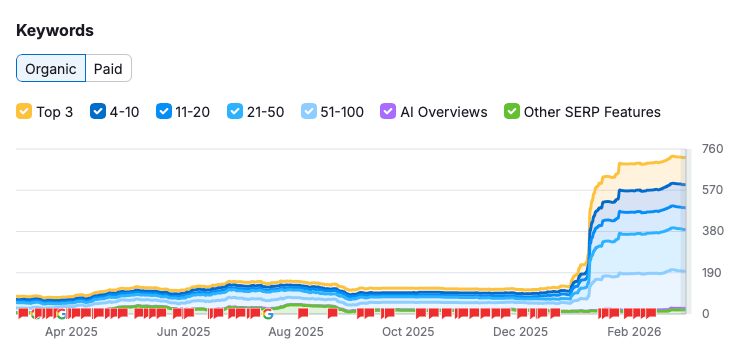
Blog strategy
I structured our SEO strategy around the three types of search intent (comparison, category, and bottom-funnel) to reach buyers at different stages of evaluation.
Examples of top performing blogs:
- Pulley vs. Expeditors — comparison intent, buyers in active evaluation
- Top Permitting Construction Software of 2025 — category intent, early-stage research
- How Pulley Works (Updated) — bottom-funnel, buyers close to a decision
Pushing Sales Conversations Forward | Case Studies
Skills: Customer marketing, copywriting, social proof, demand generation
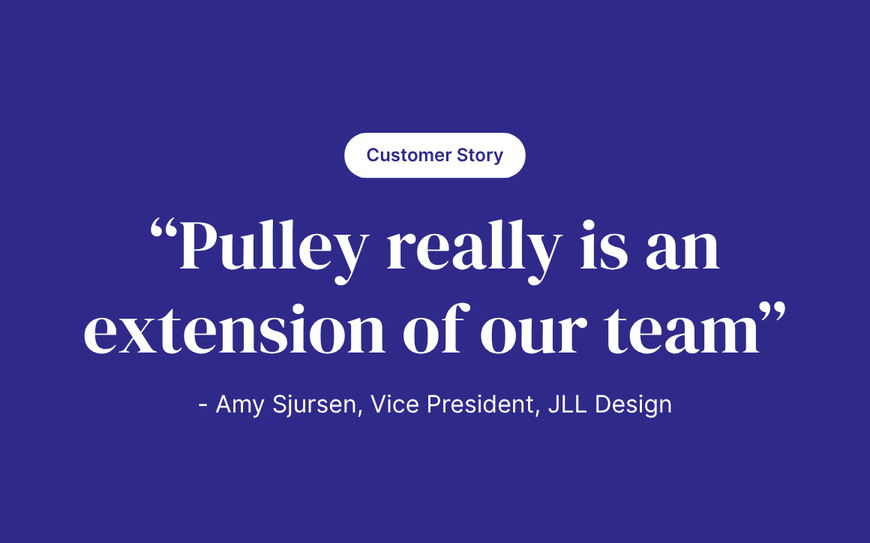
I produced formal case studies with two clients, both of which were used as social proof in sales conversations and helped SDRs create warmer introductions with account-based selling at larger companies.
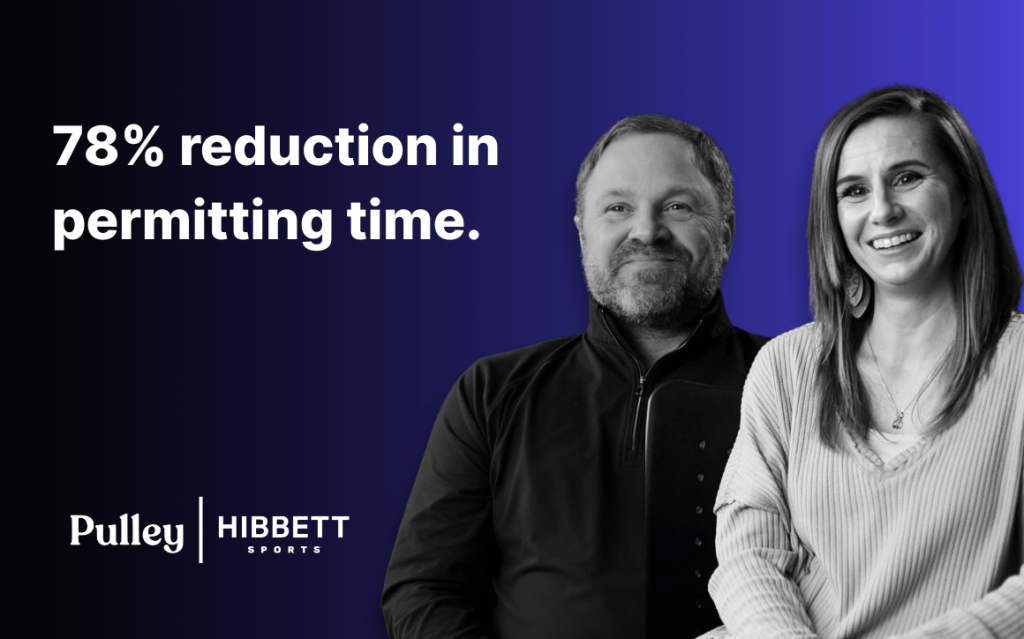
Alternative Social Proof
Many of Pulley’s clients had strict confidentiality requirements. As a workaround, I published weekly anonymized win stories on LinkedIn showing a real permitting challenge in a jurisdiction, Pulley’s solution, and a concrete outcome.
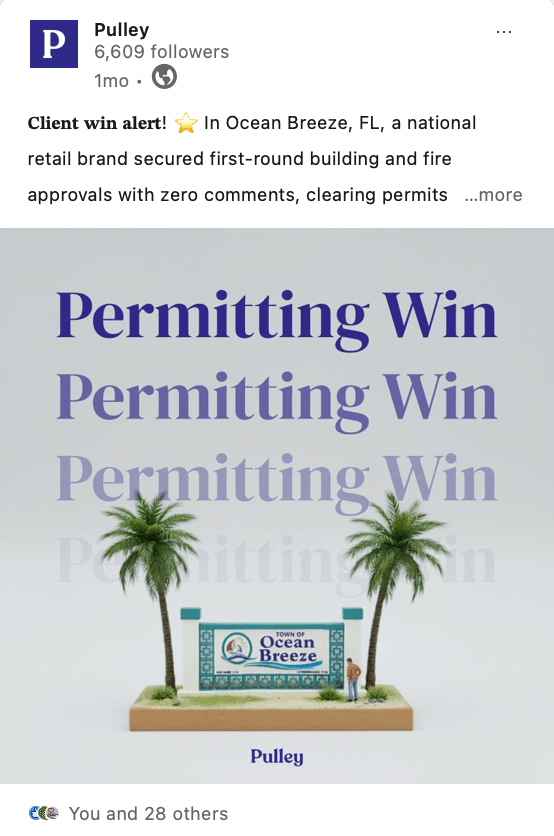

These posts were engineered to demonstrate Pulley’s core differentiator: human permitting expertise powered by purpose-built technology. In multiple sales conversations, prospects brought up win stories on their own, saying “We want those kinds of results we saw on your LinkedIn.”
Social Strategy & Organic Distribution | Employee Advocacy
Skills: Social media strategy, content strategy, change management, program management
LinkedIn was my most direct channel to ICPs, so I leveraged Pulley’s company page as a testing ground for messaging and strategic content pillars. To help grow the reach of our content and expand the playground for my messaging testing, I rolled out a new tool called Sprout Social Employee Advocacy.
The result: Our company page grew from 3,400 to 6,600 followers in a year, and employees began published pre-written content about Pulley from their own profiles, helping amplify our reach.
Social Strategy
The company page ran at roughly three posts per week, organized around three strategic pillars rather than content pillars. Instead of different topics into pillars, I chose to plan our calendar around strategic actions:
Name the Invisible (creating urgency around the real costs of permitting friction)
Establish Authority (build trust through expertise and proof)
Show How it Works (making outcomes concrete for buyers)
Organic Distribution
To help amplify the content and messaging being tested, I rolled out an employee advocacy program using Sprout Social. Getting buy-in from the entire company required company-wide education, meeting with individual teams, and managing up to team leads to create more natural buy-in. Within 2 weeks, team members across Marketing, Sales, Product, and Permitting were all posting regularly, generating over $6K in earned media value.
 Jinn Liu